
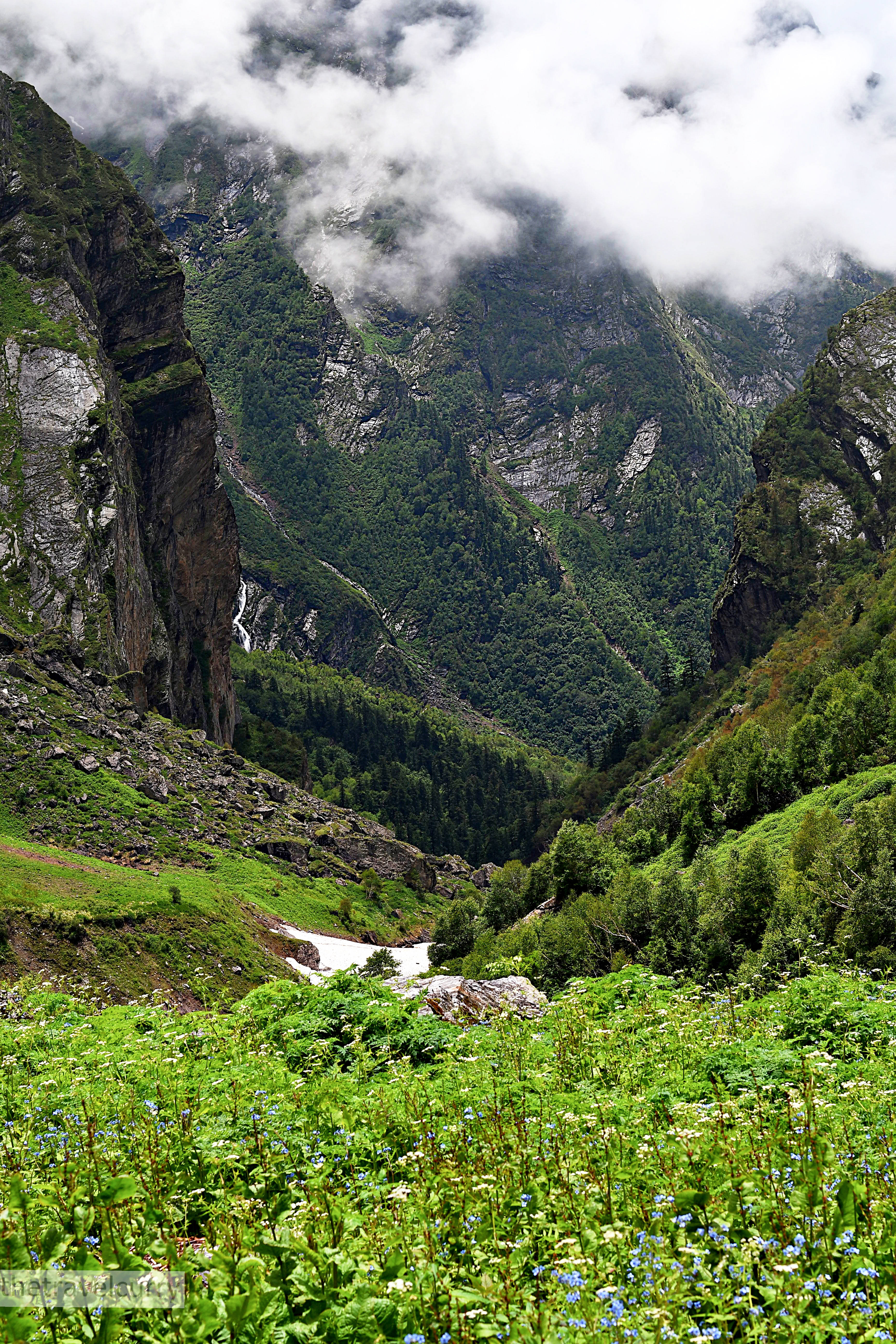
Trekking in the Valley of Flowers would be an easy task if you have prepared for it well. Here is a detailed and useful guide to planning the Valley of Flowers trek. The trek opened from June 1, 2026, and will close in October.
Breakup of the journey in detail– While planning the Valley of Flowers trek
Day 0
Reach Haridwar or Rishikesh
You can reach the city at night and check into a hotel for an early checkout. Since the next day’s journey would be extremely tiring, good rest is important for day zero.
Alternatively, if you have more time in hand, you can spend one whole day in Rishikesh or Haridwar and then leave the next morning. Try booking a hotel near the bus stand since buses for Kedarnath/Joshimath start as early as 4 am and start filling up quickly. The last bus leaves at 5 am, and you don’t want to miss it.
Day 1
-Board the bus leaving for Joshimath/Kedarnath at 4:30 am
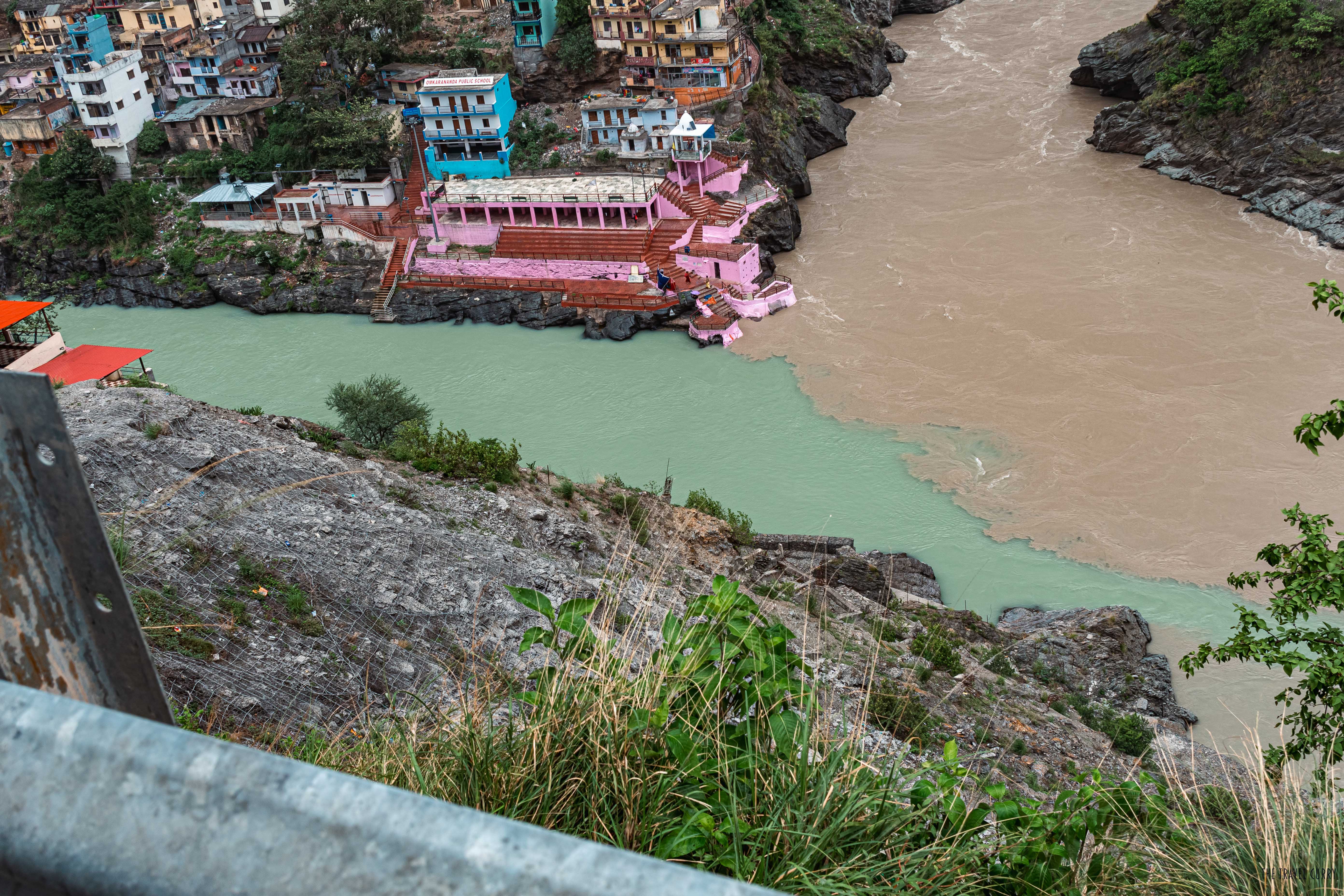
-The long bus ride from Rishikesh to Joshimath is tedious and not so smooth. It’s a twelve-hour bumpy ride through the most dangerous hillscapes, but with breathtaking views. On the way, you would witness two river confluences – Devprayag (where Alaknanda and Bhagirathi meet) and Rudraprayag (confluence of Alaknanda and Mandakini).
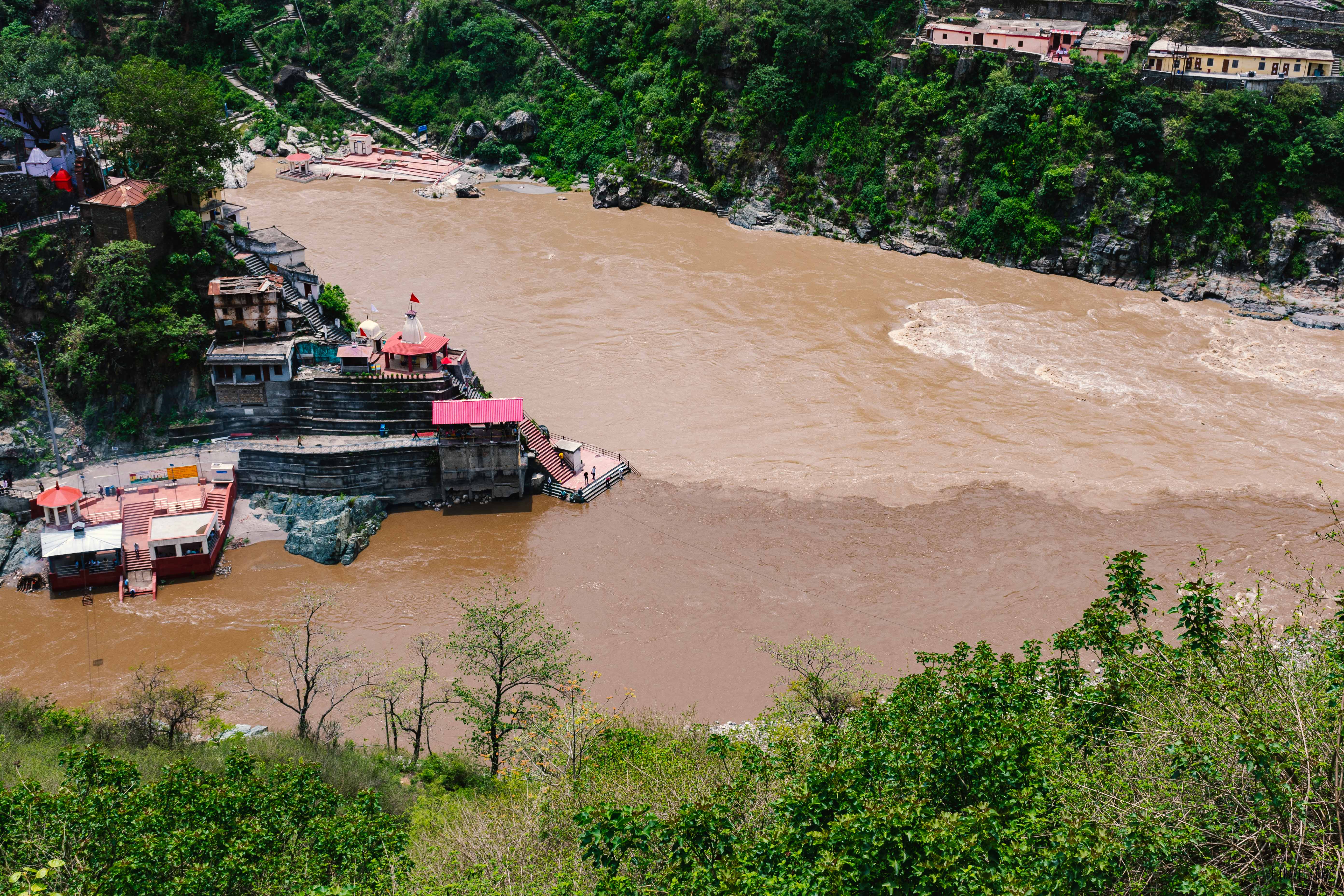
Tip- You can choose to hire a taxi. The cost would be equally divided among members of the group. (Charges in 2019 were 6000 to 7000. Check with operators for current rates) The bus or taxi would halt in two places- Once for breakfast and the second time for lunch. At this point, please eat whatever is available in those tiny shops. Don’t wait to eat after you reach your hotel. As a result, dehydration might kick in, making you feel sick and draining your energy.
-Check into your hotel in Joshimath after the super tiring journey
-Get a good rest overnight thereafter.
You can also book a homestay from the Government-authorized website Uttarakhand Homestay || Uttarakhand Accommodations (Homestays are not available in Joshimath, but in Kedarnath. Check this website in case you want to book a homestay for some other city)
Important life-saving tip
-Leave half your luggage in the hotel at Joshimath and only pack essentials for the Valley of Flowers/Hemkund trek. Since most of the hotels or homestays in Joshimath have free locker facilities, they keep your belongings safe. Packing light is hence extremely important for this trek.
-This is the last city where you would find ATMs. Carry hard cash with you. Valley of Flowers has no ATM, mobile network, or internet facility. A lot of people aren’t aware of this and do not carry enough cash with them. Mind you, the internet doesn’t work there, and you might just be in a fix.
Here is a video guide on planning the Valley of Flowers trek with minute details.
Day 2
-Board a shared jeep headed to Govindghat from the taxi stand of Joshimath. At this point, they record your details and issue passes to you. This is to ensure help reaches passengers if needed and to check if everyone returned safely.
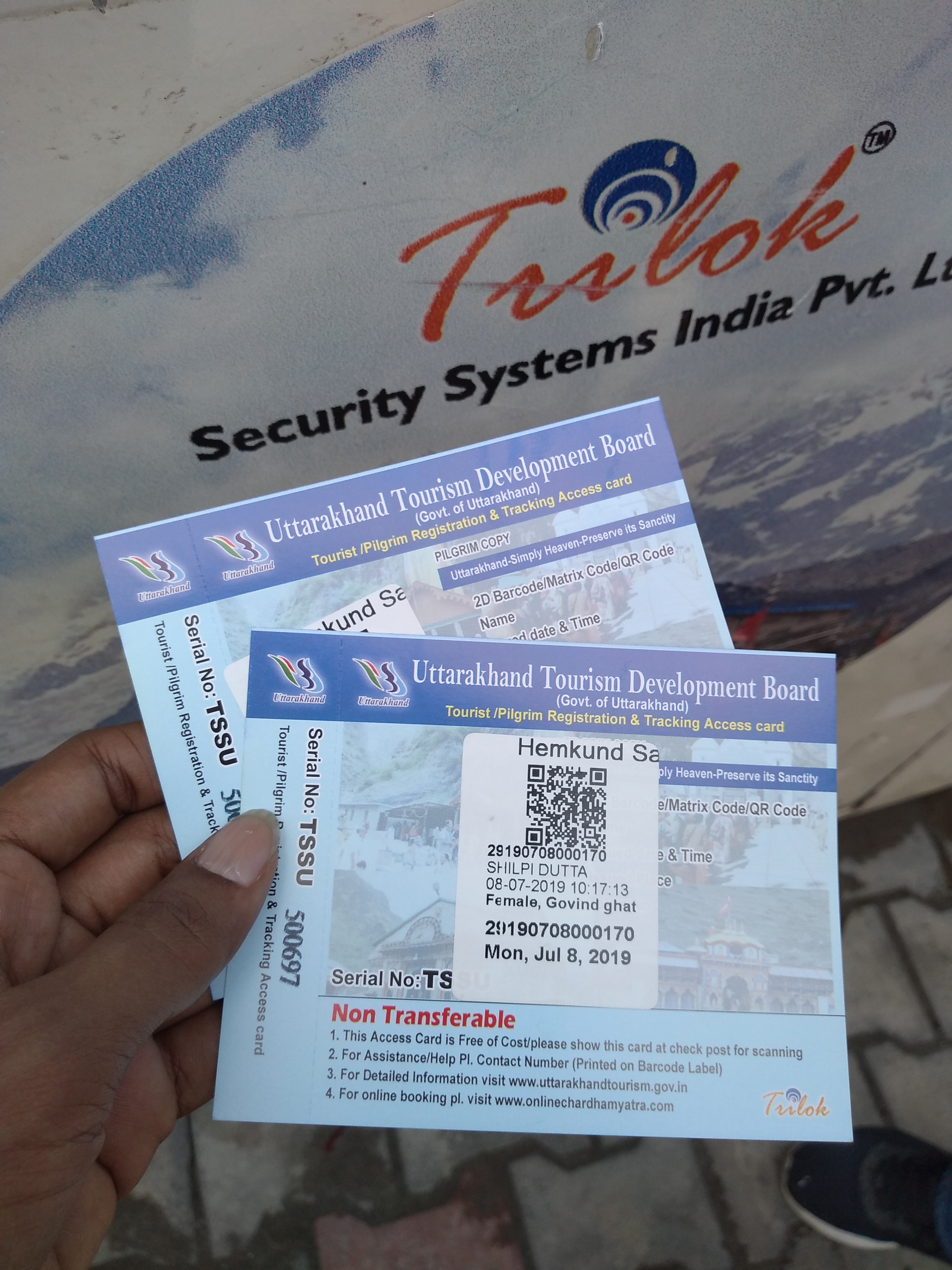
-Hop into another shared jeep at Govindghat to reach Pulna
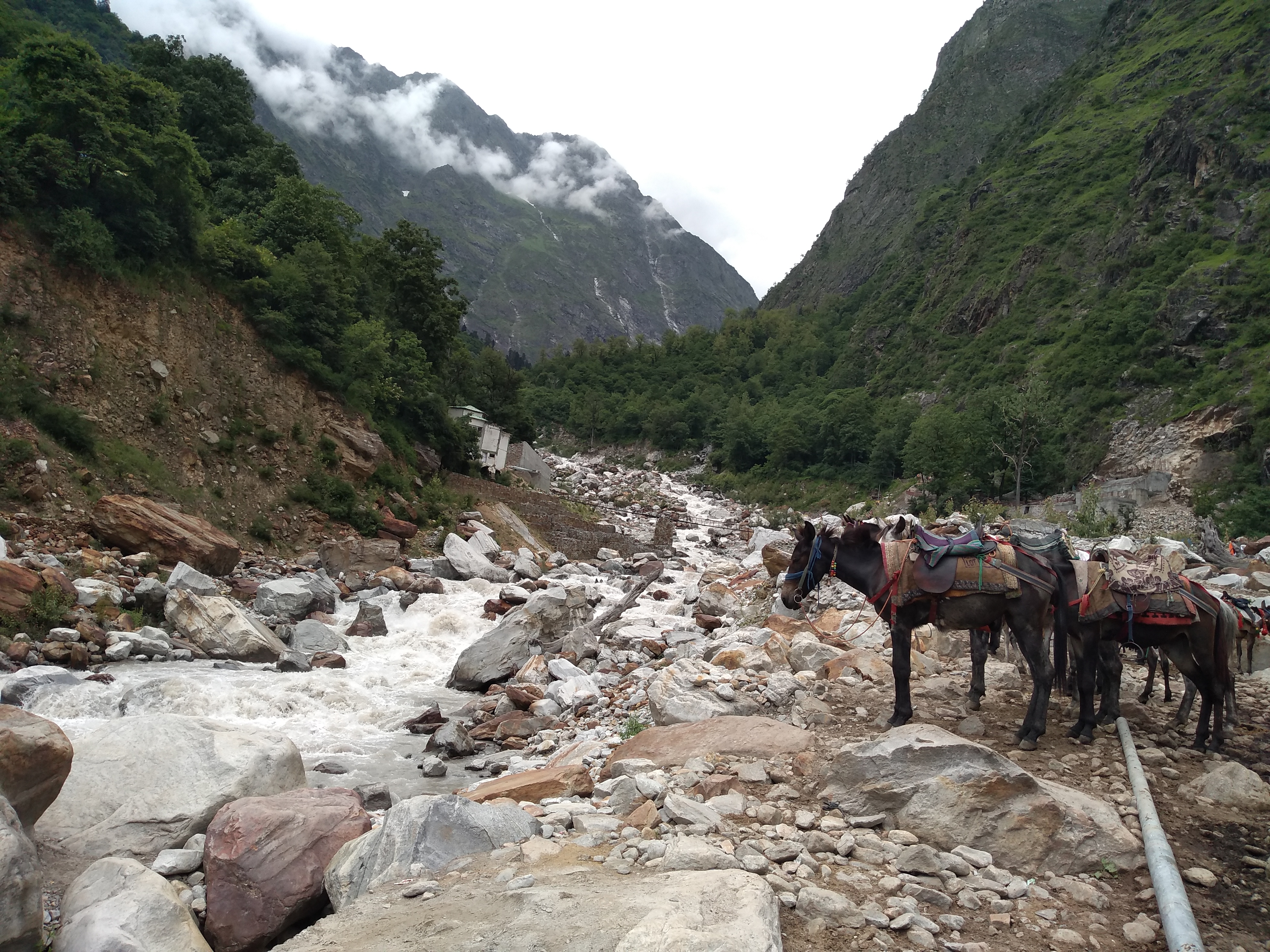
-Start the km trek from Pulna to Ghangharia, which you will most likely reach by late evening. Buy a walking stick at Pulna, which costs merely Rs 10. The stick will be a great support throughout the route and the trek in the valley. Later, you can discard it. (Isn’t it an environmentally friendly and economical solution)
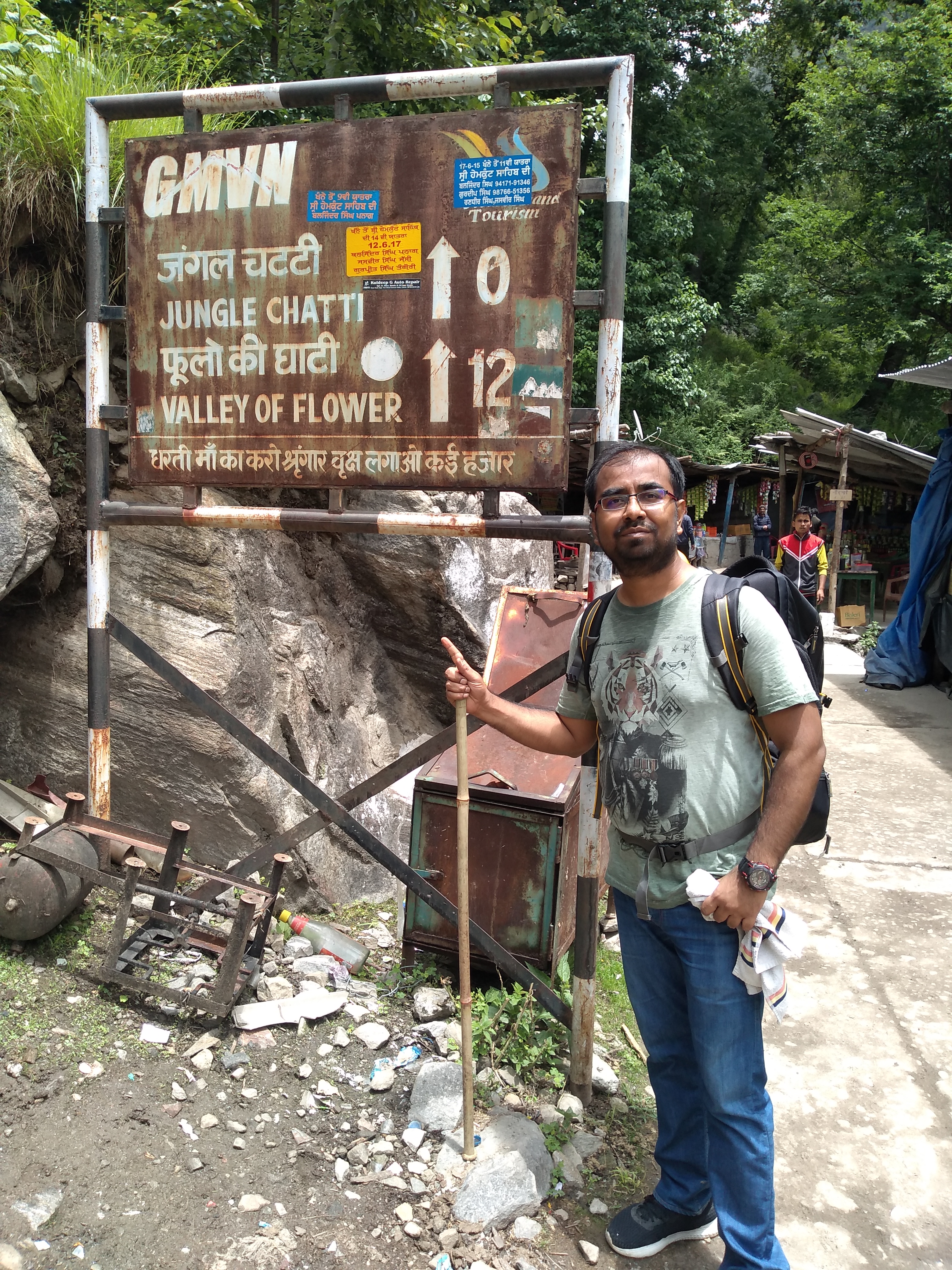
Please note:
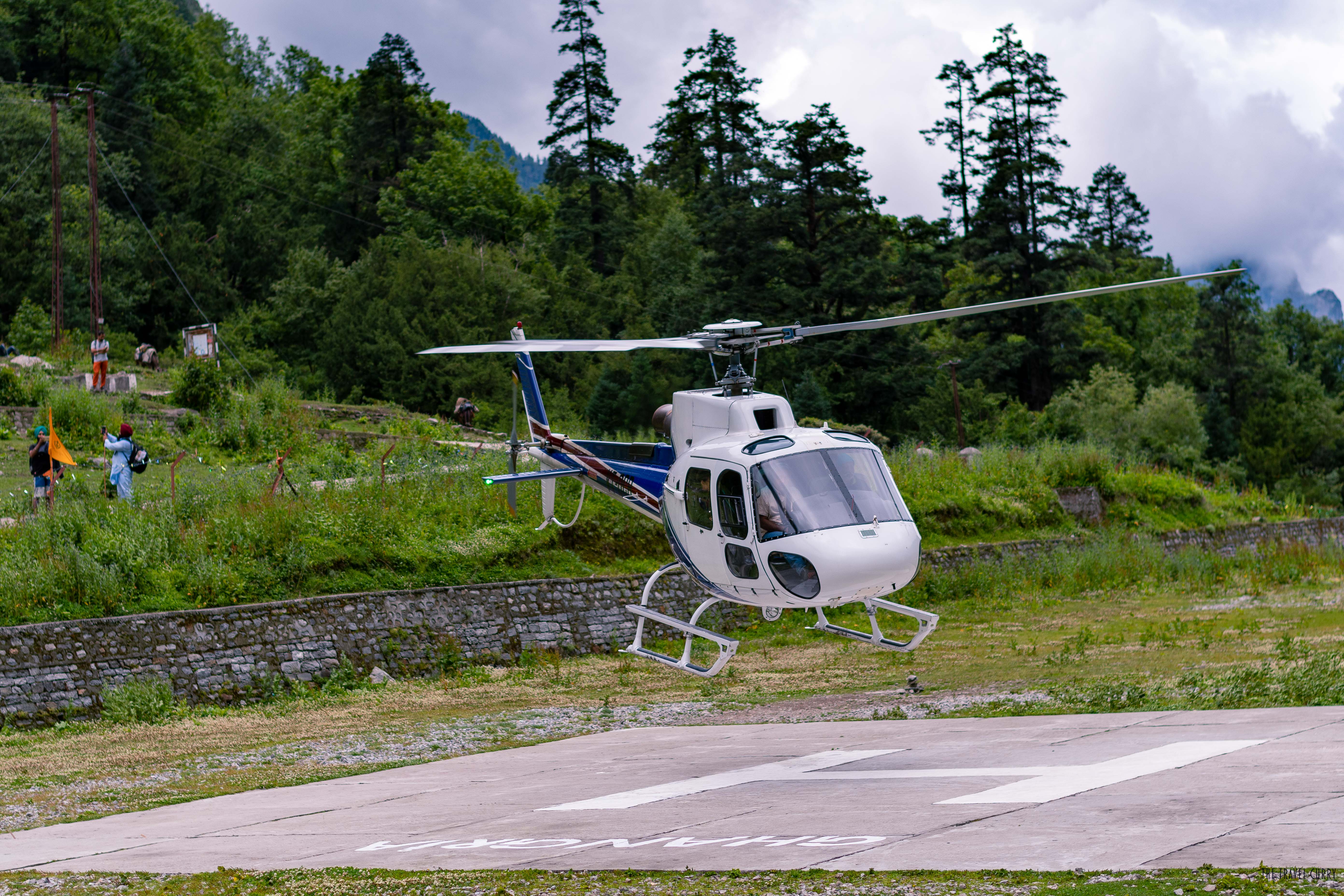
You can skip the trek from Pulna to Ghangharia if you opt for a chopper ride. The chopper operates between Govindghat and Ghangharia.
- The choppers cannot be pre-booked. You can book on the spot, and seats are allocated on first come-first serve basis. The rates increased from Rs 3000 per person for a round trip in 2019 to Rs 5000 per person. Read more here on the Govt authorized website.
- Please note, weather plays an important role in this valley. Chopper services halt in case of bad weather. If they are postponed to the next day, they will return your ticket money.
- The entire trek route from Pulna to Ghangharia is dotted with shacks selling packaged snacks, noodles and soft drinks. The food items are doubly priced, but you can’t really help it. Neither can you carry so much water and food with you, nor can you stay hungry or thirsty throughout the arduous trek. Several medical camps are also set up along the route, most of them operated by the Hemkund Sahib Gurudwara committee. Read more about Hemkud Sahib Yatra here.
Day 3
- Check into the hotel in Ghangharia, which you would reach by late evening. It rains throughout, sometimes non-stop for 24 hours. So it is wise to have a plan B.
-Hotels in Ghangharia operate for 6 months only. All the hotels are basic accommodations with mediocre facilities. In a place where electricity and internet are rare, you cannot expect hygiene or luxury. Food is basic but priced high, for obvious reasons. Choose simple meals. The idea is to fuel yourself before the trek. Avoid deep-fried or sugary foods. Do keep medicines, mosquito repellents, and ointments handy. Hotels and lodges in Ghangharia range between Rs 3000 and 5000 per night.
-If you do not have enough cash with you, get in touch with a small store owner opposite Satnam Medical Store. Call your relative or friend to transfer the required amount to the shopkeeper’s bank account. He gives you cash once the transfer is confirmed. The store owner charges a nominal fee for this transaction. He proved to be a lifesaver for us. (The only phone call you can make in Ghangharia is from BSNL phones, either in the shop or inside the Gurduwara.)
-After an overnight rest, leave for the Valley of Flowers trek the next morning. The trek opens from 7 am. All dhabas and hotels start operating from 5 am. Have a heavy breakfast before setting off for the trek.
-The park closes at 5 pm, and the ticket window is shut at 12 noon. So start making your return max by 1 pm.
-Check out the entry fee to the Valley of Flowers here.
Day 4
-If you have Hemkund Sahib on your bucket list, make that trek on this day. Contrarily, else check out of your hotel and return to Joshimath. You can trek all the way from Ghangharia to Pulna or take a chopper ride from Ghangharia to Govindghat.
-Stay overnight in Joshimath, because buses do not operate at night.
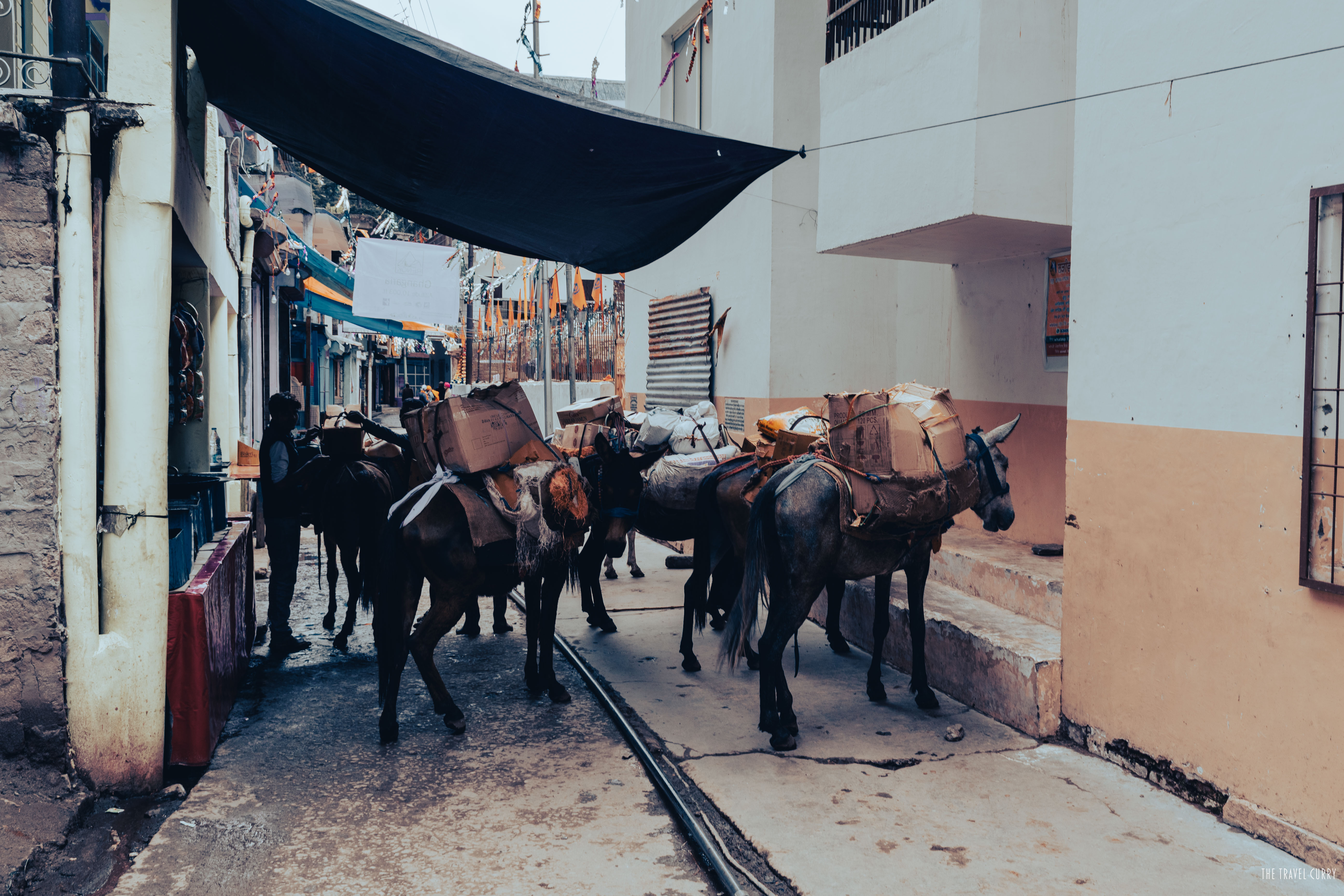
-If possible, use your legs and trek. Avoid mounting horses and mules. Many have been reported dead recently on the Kedarnath trek due to overworking and hunger. The financial losses post-pandemic are the primary reason the owners are pushing them to overwork. While we understand humans need to earn their livelihood, beating their own animals to death is ultimately killing their source of income. Also, it is unethical and unfair to these creatures.
Day 5
-Check out from Joshimath to reach Rishikesh/Haridwar
-Onward journey to return to your city
Tips for packing right as you plan your trek to the Valley of Flowers
- At first, packing light is essential while planning the Valley of Flowers Trek. Also, leave half your luggage at Joshimath. Carry essentials only.
- The Valley of Flowers and Hemkund are cold areas. The latter remains slow-clad most of the year. So yes, packing woollens is essential. However, don’t pack extremely heavy jackets or overcoats. Layering is the key to light packing.
- Here is the most important tip- Don’t forget to carry raincoats and plastic covers. Though plastic covers are available in shops in Ghangharia, they are flimsy and are rendered useless most of the time. Why add waste to the environment? Better carry your own raincoats and plastic sheets to stay dry and cover your backpack. Remember, the rains are unpredictable there.
- It is advisable to pack an extra pair of socks, just in case one pair gets soaked in rain (chances of which are high)
- For the trek in the valley, layer up wisely. Wear a comfortable t-shirt with a sweater that you can button up. It would be easy to remove and tie it on your waist when you start sweating.
- Wearing good-quality shoes, preferably trekking shoes, is equally important. The shoes should have been in use for some time. (New shoes always give a shoe bite)
Preparing physically: An essential for planning the Valley of Flowers trek
- Honestly, altitude is not a problem because the terrain is easy to cross, but you should be physically fit enough. Practice running or walking at least 30 minutes every day for a month before your trek.
- Invest in good shoes. Spotting people in slippers and floaters was the most amusing thing ever.
- The trek inside the Valley is breathtaking and worth all the pains. However, it’s the journey that might test your patience. Be mentally prepared for adverse conditions and handle the adverse situations.
For more details, you can drop us an email at [email protected]. Have a safe journey!


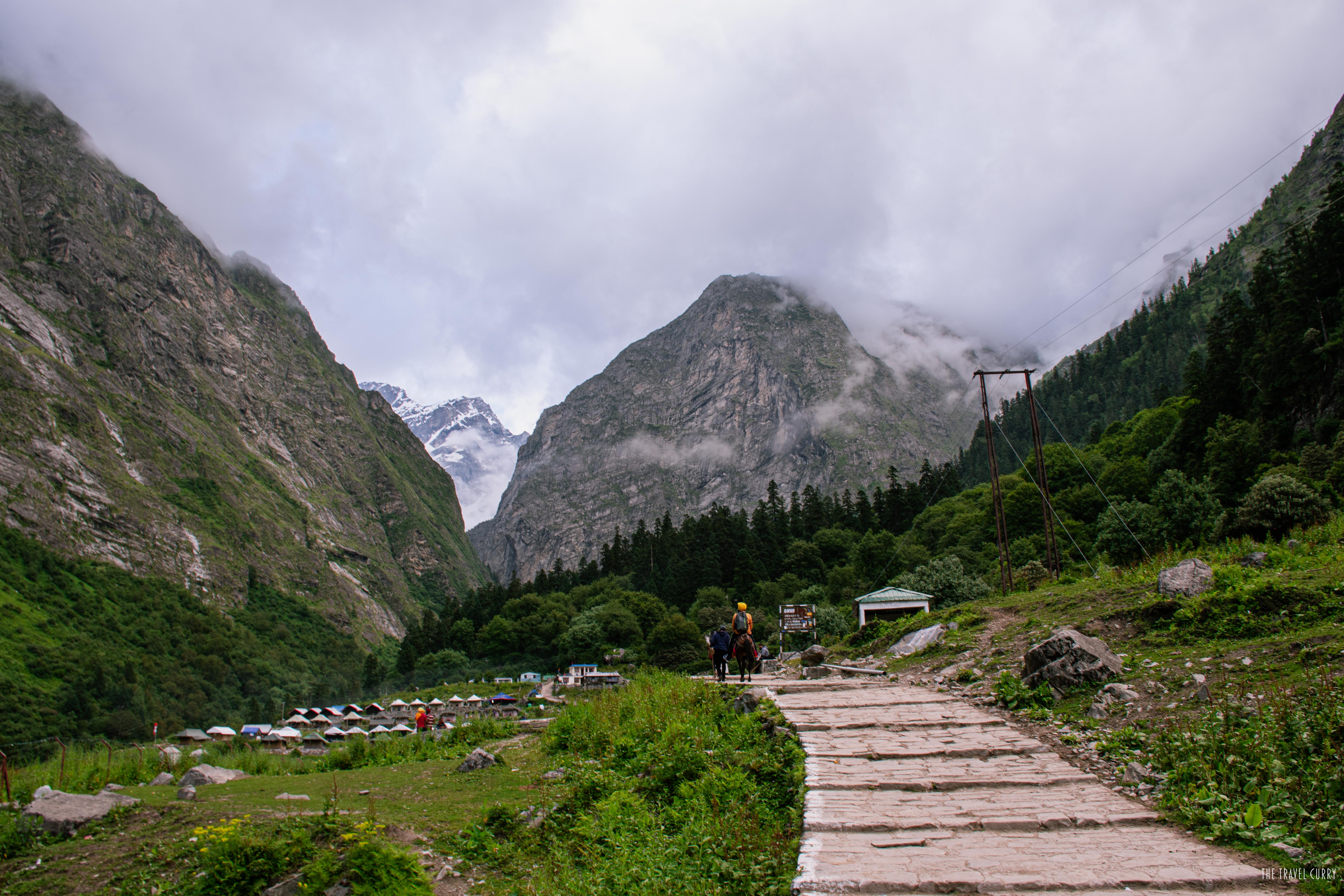
This article is about The scenic entrance to Ghangharia village
Actually this article is about planning a trek to Valley of Flowers, Uttarakhand. Thanks for reading.